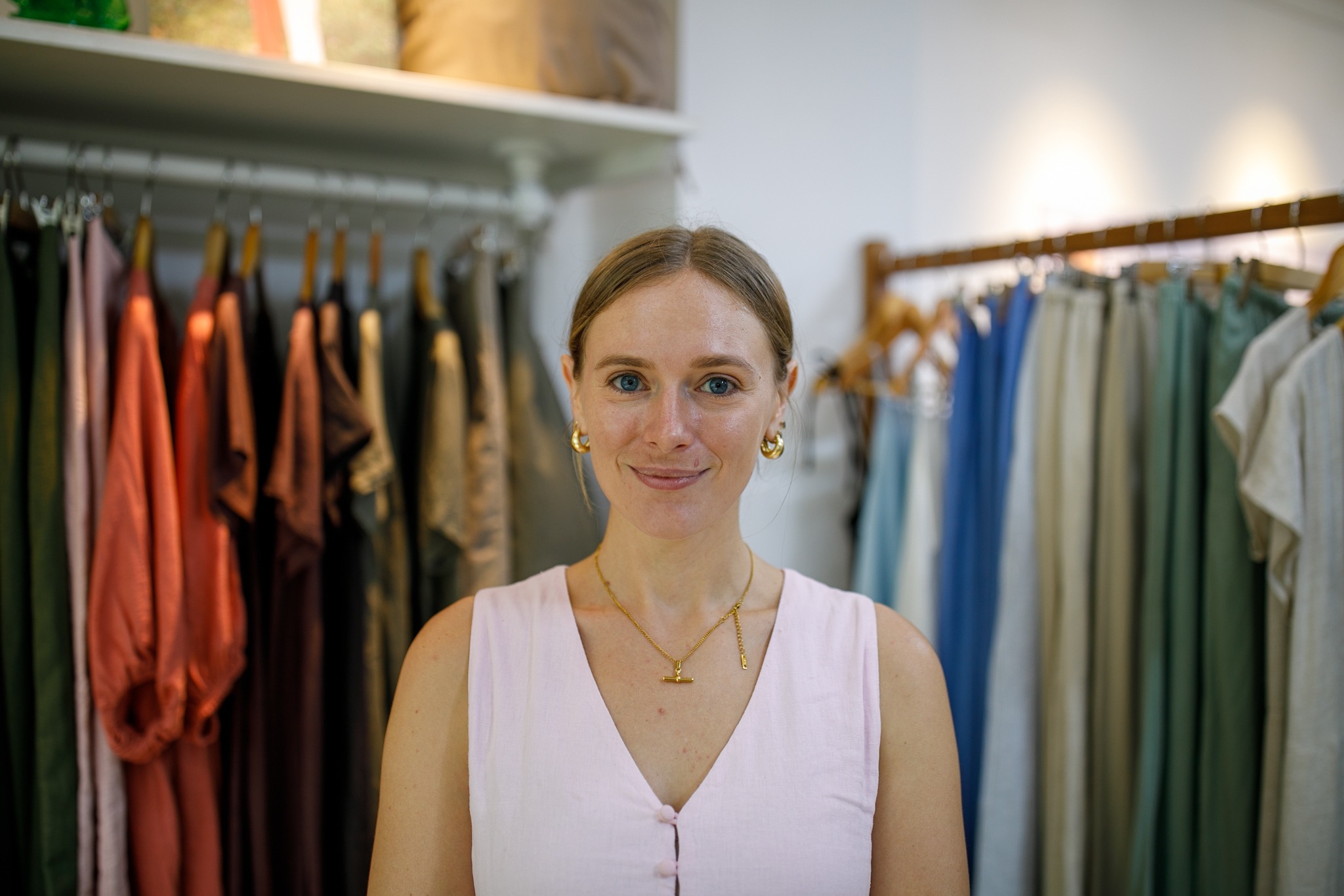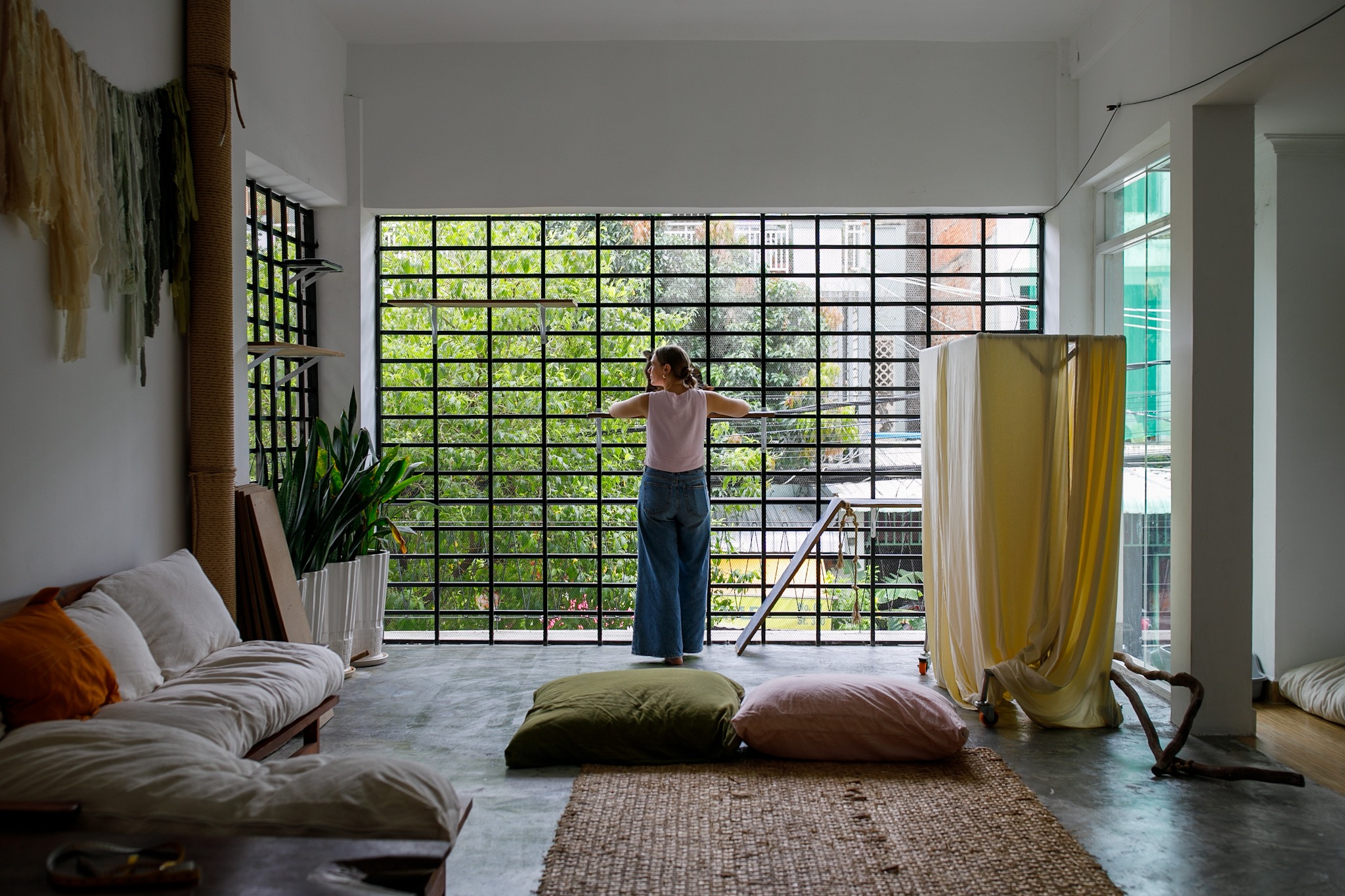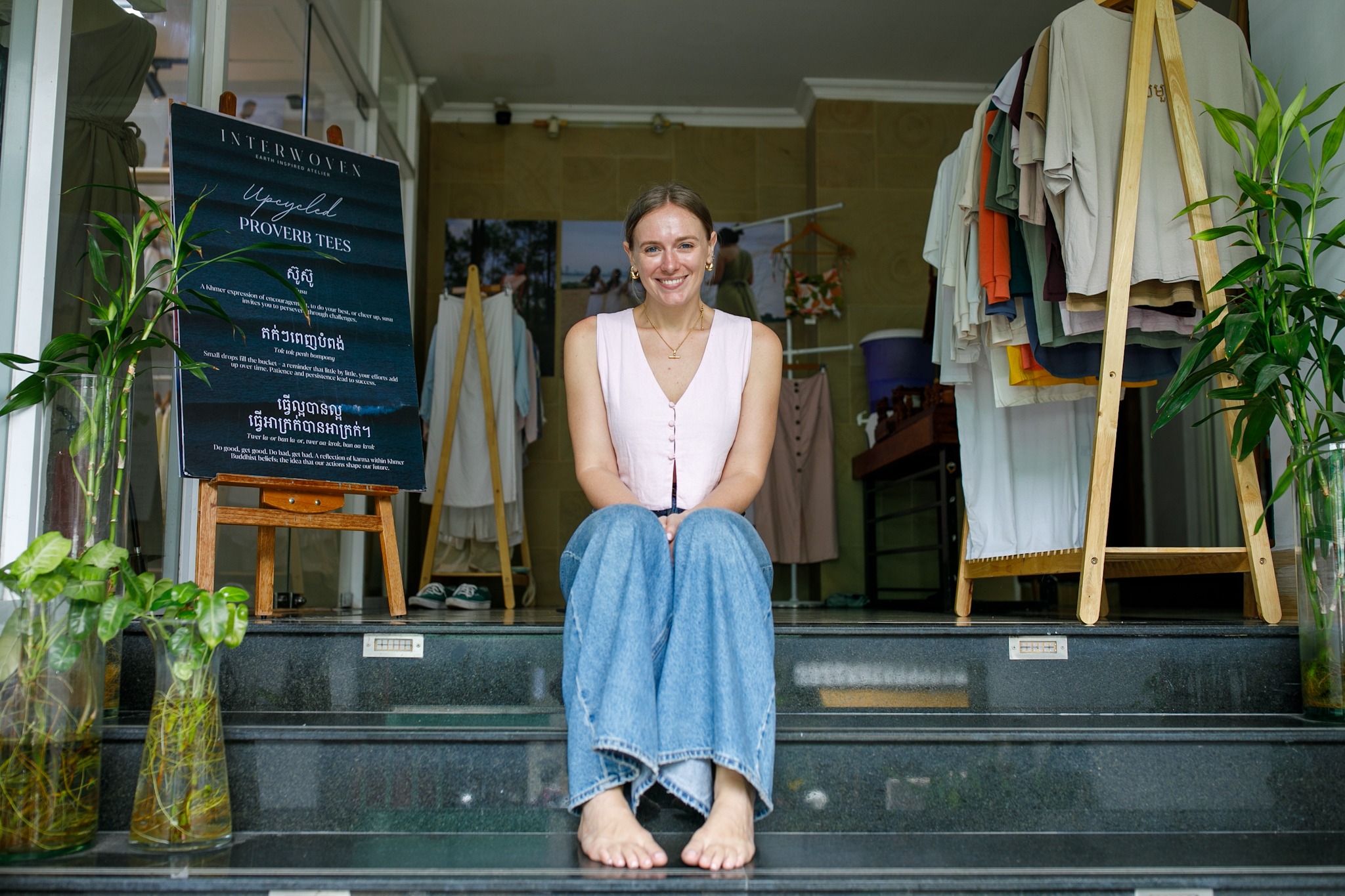
Before Interwoven, you spent years working in marine biology and conservation. What changed in the way you wanted to work?
It was a slow process. I worked in the Seychelles and the Maldives, and then came to Cambodia. During Covid I lived on a floating house in Koh Sdach, doing biodiversity surveys and spending hours in the water every day. Then I moved to Phnom Penh and suddenly I was sitting in front of a screen. I felt completely disconnected from the living world.
I also became uncomfortable with the language we used in sustainability. Forests became resources. Rivers became water supplies. Fish became fisheries. The living thing disappeared and what remained was its utility to us.
I had spent almost a decade doing biodiversity surveys, and I still love that world. But I had watched research fail to protect the places it described. I published research on seahorse populations and identified areas that should be protected, only for that habitat to be dredged a few months later. I became jaded. I did not want to protect nature in a way that treated it as something separate from us. Ecological disconnection is not only an environmental problem. It is a psychological one.