An old building, a rooftop market, a plant festival, and journeys into the countryside. Hem Chansopheak’s work takes many forms. Across them runs a question about how people find one another and what becomes possible when they do.
In conversation
Hem Chansopheak
Work
Jungle Landscape and Garden Pteah Chas Phnom Penh Houseplant Festival Roteh Tours
Place
Phnom Penh
Reading time
About 14 minutes
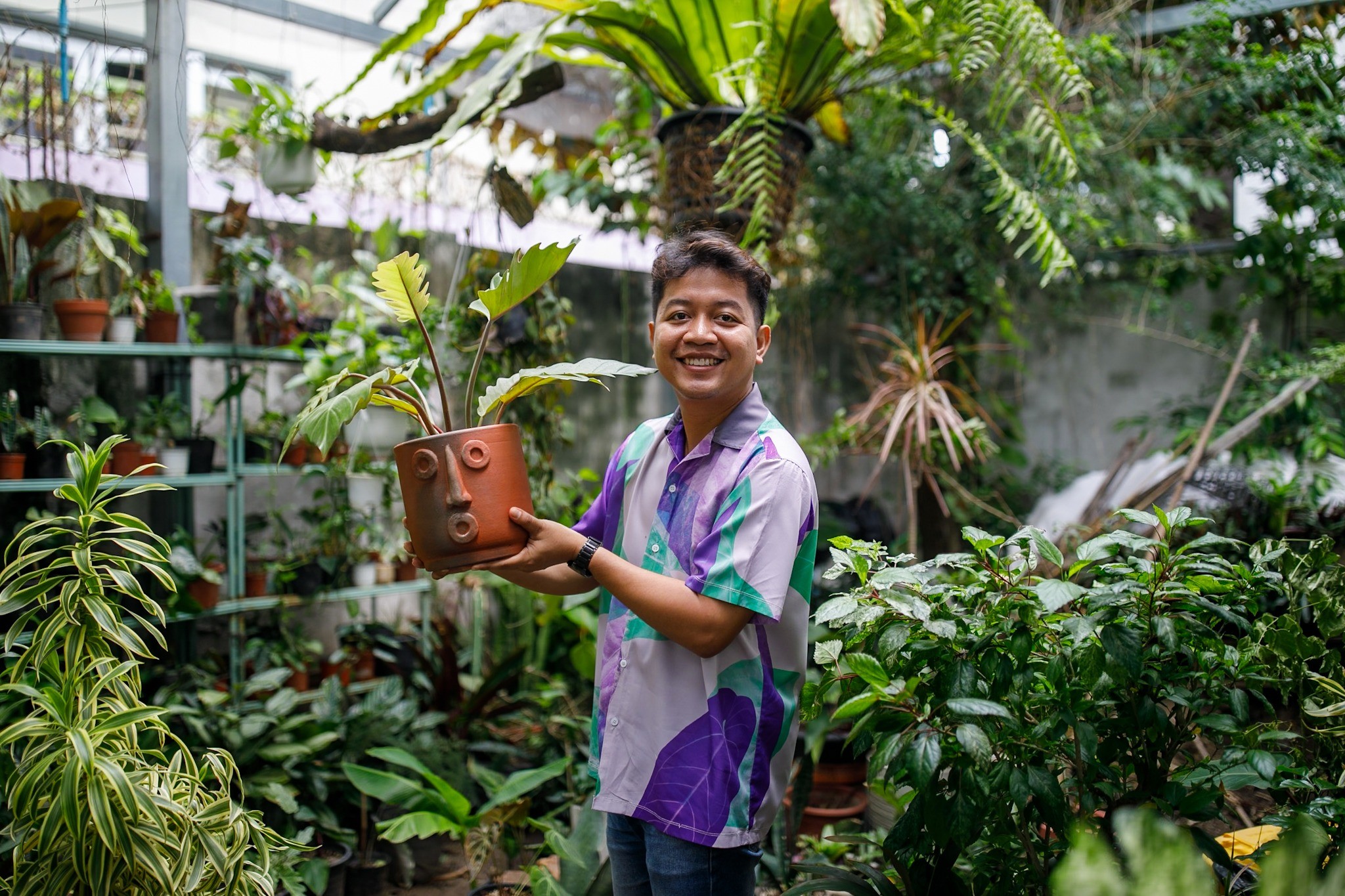
Hem Chansopheak in the garden of his current office, Phnom Penh.
Why I wanted to meet Sopheak
I first met Sopheak through Margaux, a French friend who had rented space for her shop in the building that became Pteah Chas. Over the years, I returned for exhibitions, conversations, coffee and evenings on the rooftop. I knew it as a place where people gathered. Until this conversation, I knew very little about what it had taken to make that possible.
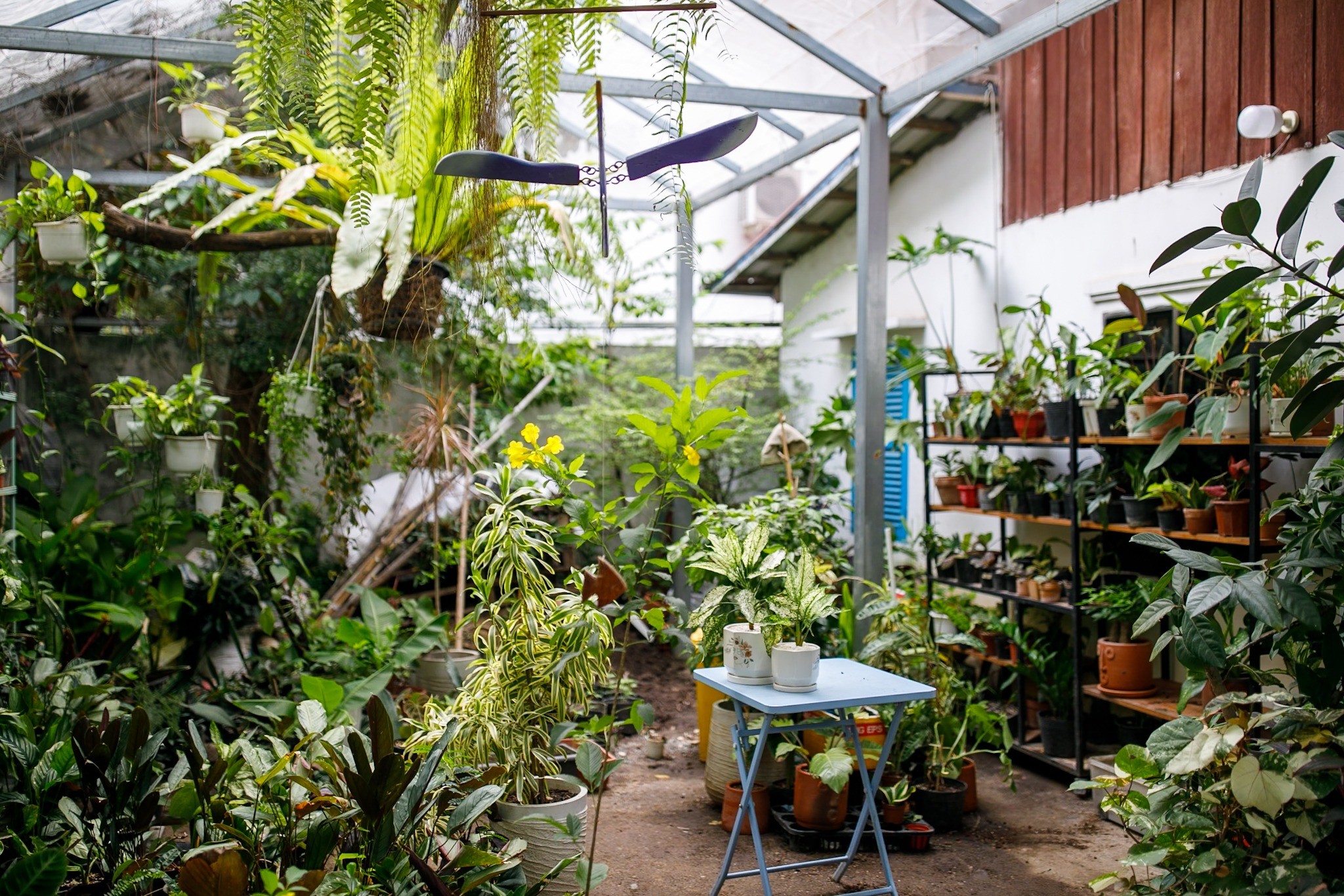
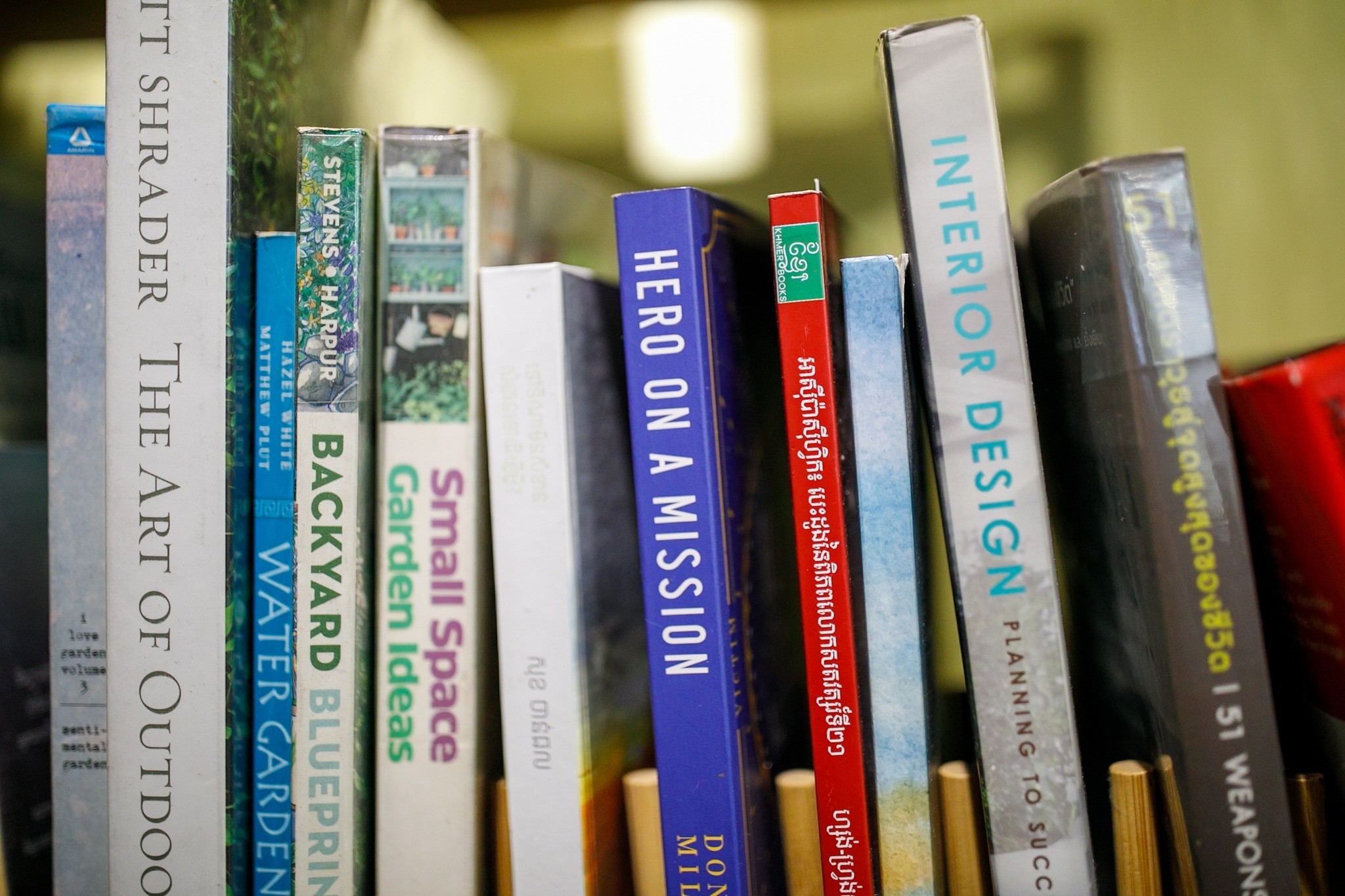
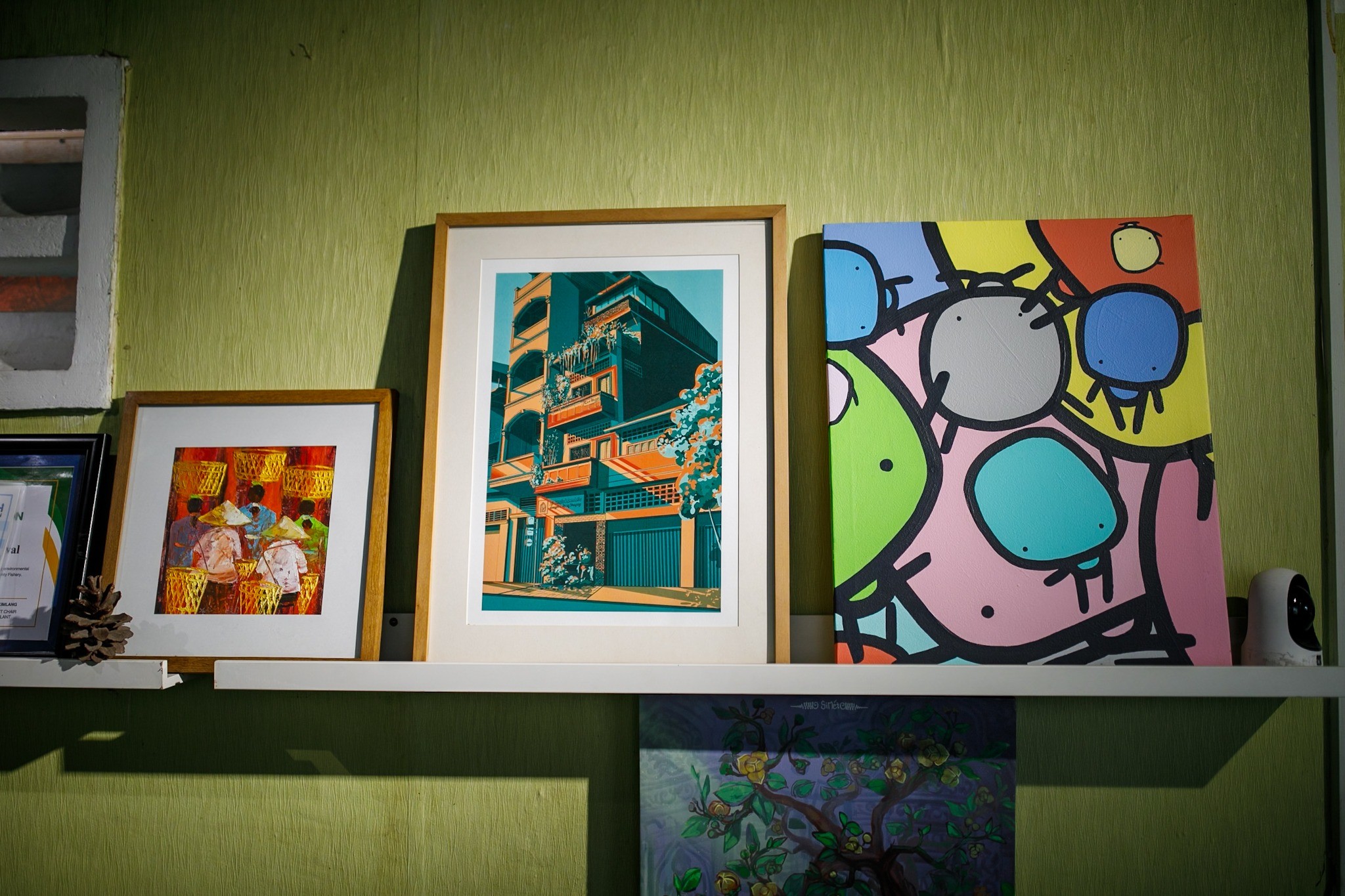
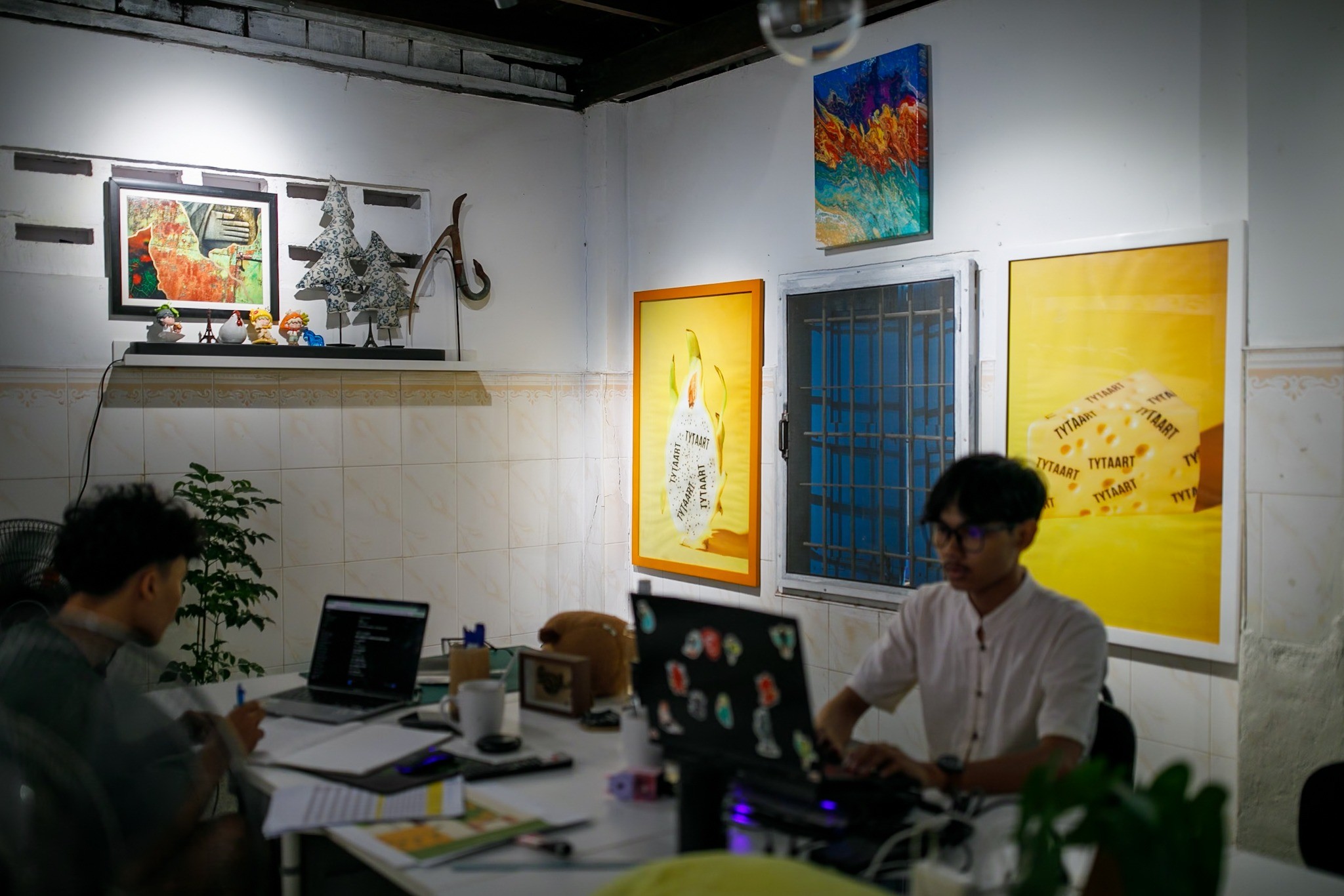
Today, Sopheak works across plants and landscape design, cultural events through Pteah Chas, Phnom Penh Houseplant Festival, and Roteh Tours, which he is developing with his colleague Thea. After his lease ended, he moved into a smaller office. Pteah Chas no longer operates from the original building, where other businesses continue to work. Its activities carry on through collaborations in other venues. We meet in his current office, where books about gardens sit alongside friends’ artworks, and a courtyard is filled with plants.
I wanted to understand what connected these activities. What emerged was a story of learning to ask for help, noticing interests that had no place to gather, and approaching communities with the willingness to learn. Sopheak creates opportunities for other people. Our conversation also revealed how much his own work has grown through the people who opened doors for him.
This conversation has been edited and condensed for clarity.
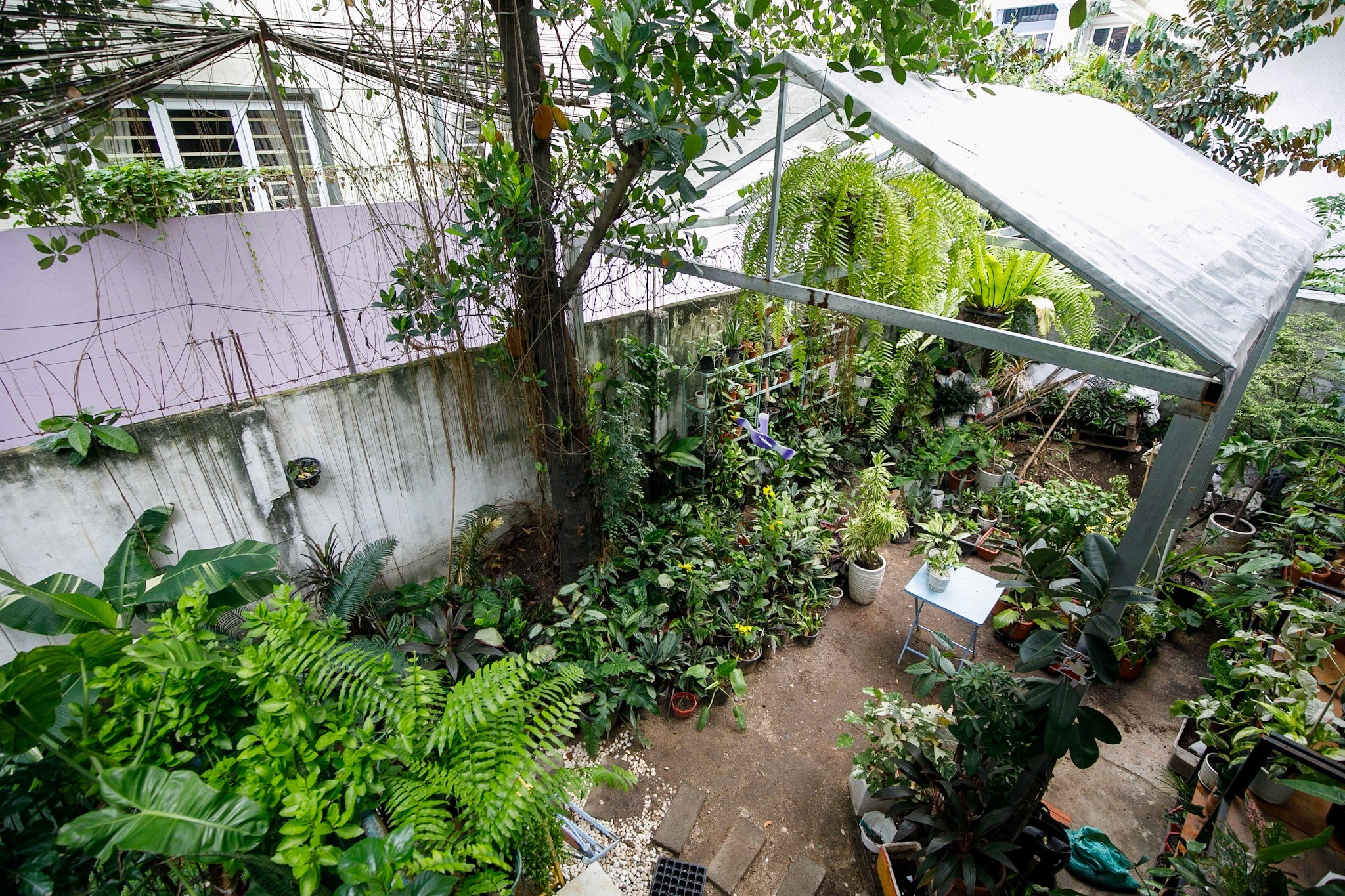
The courtyard of Sopheak’s current office. All photographs in this story were made here during our visit.
01 / Roots and learning
Take
Before all these projects, where did your connection with plants begin?
Sopheak
I grew up in the north of Phnom Penh, with a big lake behind our house. I was connected to nature from a very young age. My father always planted trees and vegetables beside the lake. We grew food for ourselves, and we shared it with our neighbours. Whenever people came to visit, they would leave with something. It was not a business. It was simply part of how we lived.
My father is still a very active person. He keeps himself busy all the time. Looking back, I think that environment gave me my love of nature. Later, I studied agronomy at the Royal University of Agriculture. At that point, I did not know I would be doing the work I do now. I knew I loved agriculture and wanted to serve people, but agriculture is a very broad field.
The direction became clearer when I went to an exchange programme at Chiang Mai University. During university, I had applied for many scholarships abroad. Sometimes I reached the final list, but I was not selected. It was heartbreaking. I kept applying, and eventually I decided to save money for an exchange myself. If I could not get the opportunity, I had to create one.
The programme included art and craft, and a visit to a botanical garden in the mountains. It was the first botanical garden I had ever visited. I did not want to leave. I remember thinking how beautiful it was. I did not know something like this existed. That was when I understood that I wanted to explore ornamental plants, gardens and horticulture more deeply, and share that knowledge with other people.
That first exchange opened many other doors. I met people who told me about other programmes, and later I received opportunities to study and travel in other countries. I continued my studies in development, with an interest in community development and social enterprise. I kept learning about plants too. When I started the business, there were many imported plants I had never studied before. I collected books and learned as much as I could. That learning has never stopped.
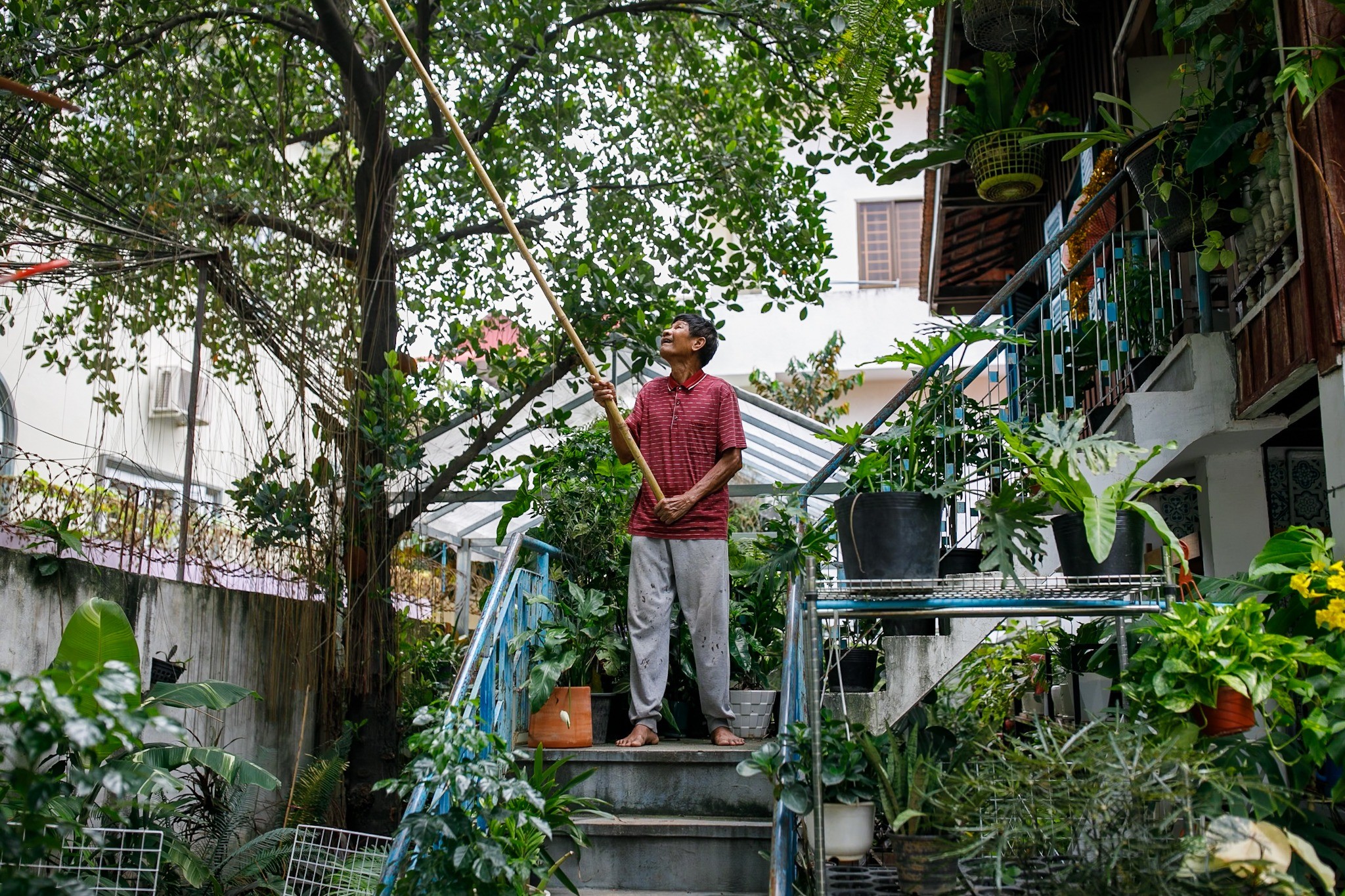
Sopheak’s father tending the vines in the office garden.Books on gardens, design and other interests on Sopheak’s office shelf.
02 / An unexpected beginning
Take
I knew Pteah Chas as a lively shared space. How did it begin, and what first brought people together there?
Sopheak
Before renting the building, I had tested the plant business and Airbnb at home. It worked well, and I wanted to grow it. My idea was to have accommodation and a physical shop for the plants. I found the old building, invested in renovating it, and was getting ready to open. Then Covid happened.
Suddenly people could not travel across borders. I had already put my money into the business, including money from my family. The expenses continued, but the income I expected was no longer there. At home, I had not needed to think about rent and operating costs in the same way. This was my first time carrying that responsibility. I had been optimistic because the smaller version had worked. I had not thought enough about what to do if the plan failed.
I put the blame on myself. I thought I knew something about business, and then I realised how little I knew. I was doing everything. I was selling, cleaning, looking after the building, sometimes making deliveries myself. It was overwhelming. I was used to being there for other people, but when I needed help, I did not know how to approach anyone.
Someone from an earlier mentorship programme noticed that I was different and checked on me. He asked whether I was okay. I explained openly what had happened. Having someone I could talk to helped. I also began asking friends and people more experienced than me about the challenges in their own businesses. One problem they kept mentioning was high rent.
Artworks by friends share the office with books and plants.
That made me wonder whether we could share the cost. I opened the door to other people who could use parts of the building. Friends passed the news to friends. I remained the main leaseholder, and others rented space from me. The cost was lower than if each of us rented a separate place. We could also help promote one another’s businesses.
Margaux was one of the first people there. Other shops, a café, a gallery and the rooftop bar followed. We had been together for a while before I felt that the collective needed a name. I wanted a Khmer name that local people could remember easily. Pteah Chas means old house. I also wanted people to feel at home. The building had character and heritage, and bringing people into it gave us a way to share that.
03 / A place to gather
Take
How did that shared building become a place that so many people wanted to visit?
Sopheak
I wanted people to know about the building, but I had already spent so much on renovating it. During Covid, indoor gatherings were restricted, and events needed open space and airflow. I wondered whether we could use the rooftop. What if we held a pop-up market there?
People advised me against it. They said we needed parking, that the house was too small and old, and that people would prefer an air-conditioned mall. I remember feeling that no one supported the idea. But if I did not try, how would we know? We could not make something that pleased everyone. We had to try for the people who might enjoy it.
Then people came. There were pop-up food businesses, second-hand clothes, and the market on the rooftop. People were bored and wanted somewhere to meet. We welcomed people we knew, but also people we had never expected, including designers, architects and others who discovered the place. We kept organising events, and the community began to grow.
It made our approach clearer to me. We were building a space and organising events for people, using art and nature as a medium. I had loved art and culture since school. Being an artist had been my dream when I was young. Through Pteah Chas, those interests could come together with my love of nature and people.
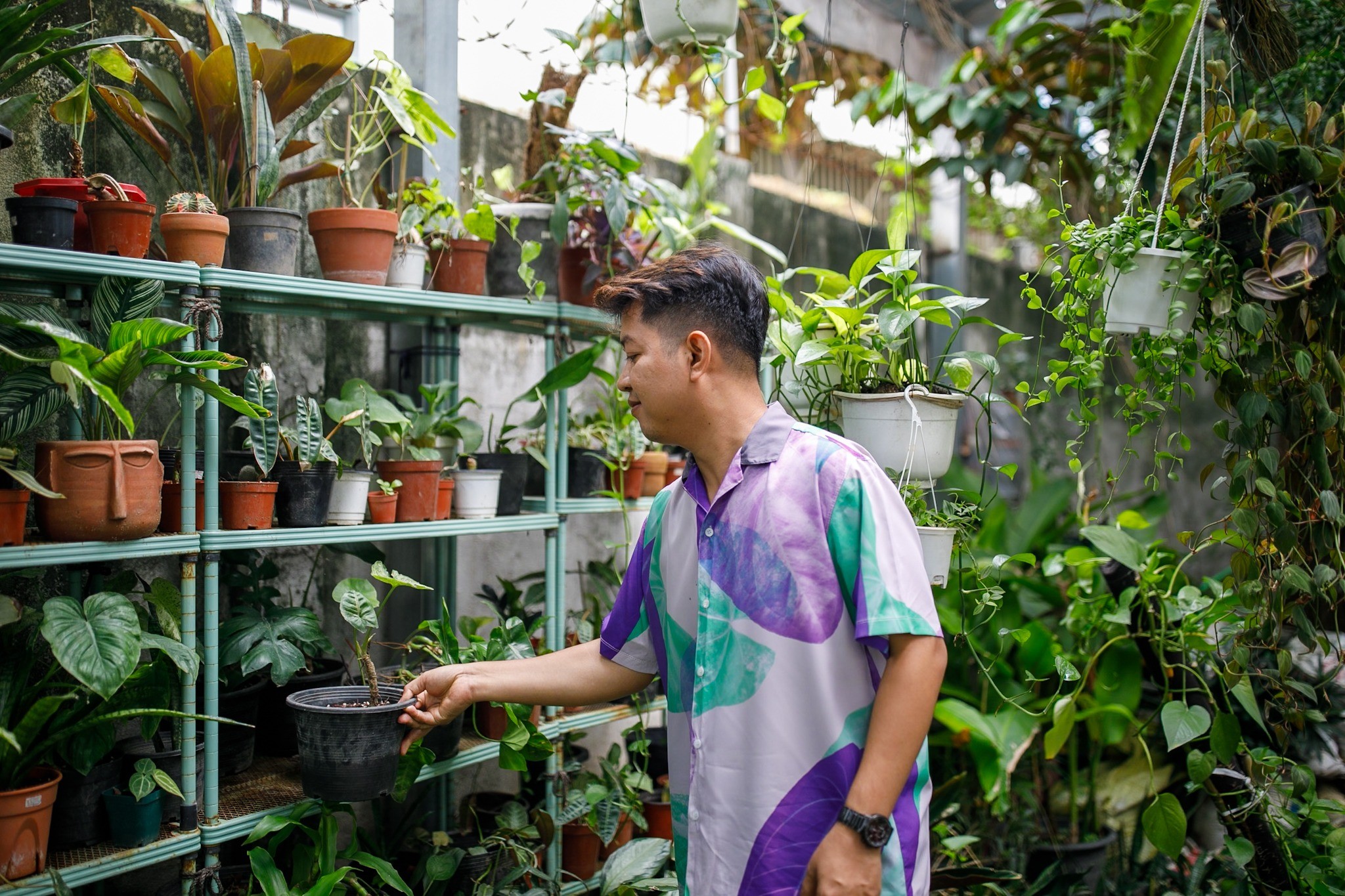
Sopheak among the plants in the office garden.
Take
And Plant Festival grew out of another conversation?
Sopheak
Yes. I met someone in the plant community who was looking for a rare plant. I had it, and we talked about exchanging plants. Through that, we began sharing our interests and experiences of plant fairs in other countries. Other places had these fairs. We wondered why we could not have one here too.
I told him we could do it together. We discussed it for less than a month. I already knew people at a venue, so I asked whether they could support us with the space. We invited plant sellers from our networks. The first fair was much bigger than the events I had organised before. We were a small team, and I was running around like crazy.
I think many people already cared about this subject, but nobody had started something where they could gather around it. Art and nature have been part of people’s lives for a long time. Sometimes we see them as simple things in our surroundings and overlook their value. Then someone does something with them, and people realise that they would like to participate.
“Sometimes we see them as simple things in our surroundings and overlook their value.”
04 / Learning as an outsider
Take
Roteh Tours takes people beyond the city. What do you want those encounters to make possible?
Sopheak
The idea came during Covid, but it stayed an idea for a while. I worked on the concept and how to communicate it, and waited until I found the right person to work with. Thea first joined me as an intern. Over time, I realised that we shared many values and that he had great potential. Now he is the co-founder and CEO of Roteh Tours, and a driving force behind it.
We are interested in farms and countryside places that people may think of as ordinary. For someone who values a slower life and local experience, those places can be meaningful destinations. People talk a lot about farmers needing access to markets. We want to connect the people who use their products with the people who produce them.
You can visit the farm, listen to the farmer’s difficulties, exchange ideas, eat what grows there and stay with them. That is the kind of connection we want to create. It brings people closer to the lives behind the things they consume.
Take
What taught you to approach a community that way?
Sopheak
A turning point was volunteering in a host community in Ratanakiri. I stayed there for ten weeks. Before that, even when I had travelled through the countryside for work, I did not have the same connection. Living with people for many weeks gave me the opportunity to learn from them.
Later, during my development studies, something I read stayed with me. However good you are as a development practitioner, you are still an outsider to a community. You have to learn from them. You cannot arrive showing that you know better. What you think is right or good does not necessarily mean they think the same.
For another research project, I asked the village chief to help me find a family I could stay with. I did not want to go back and forth from a guesthouse. I wanted to live in the community again, with a household comfortable having me there. I contributed towards food, and at the end I paid for my stay. I slept on a wooden floor with a mosquito net. I learned a great deal during those days.
From one experience to another, I kept reflecting on what I could learn from communities. I try to remain humble and observant, and to appreciate the older people especially. They are knowledge banks. They hold stories, history and knowledge about their community. That is a principle I carry with me.
“However good you are as a development practitioner, you are still an outsider to a community.”
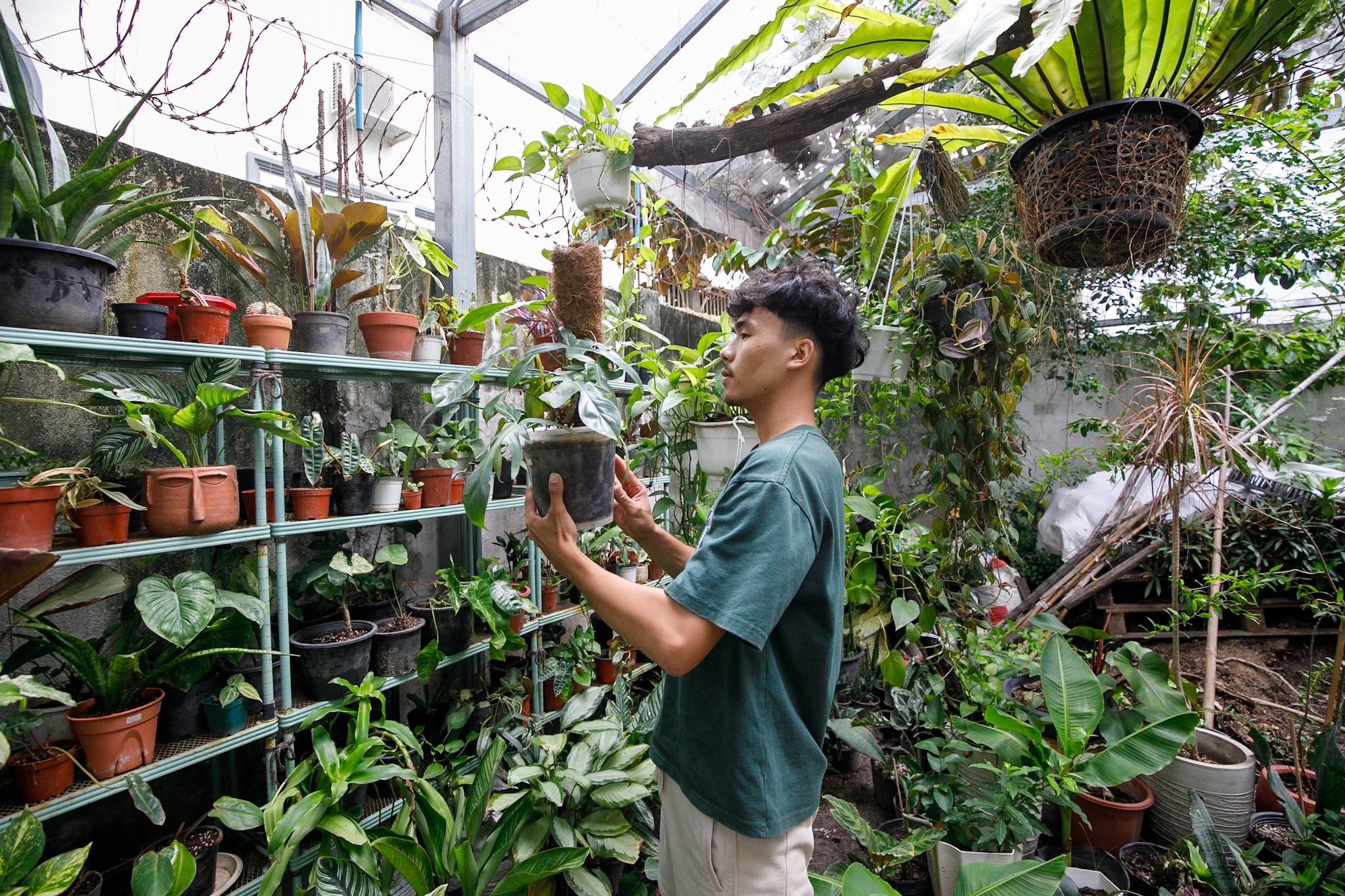
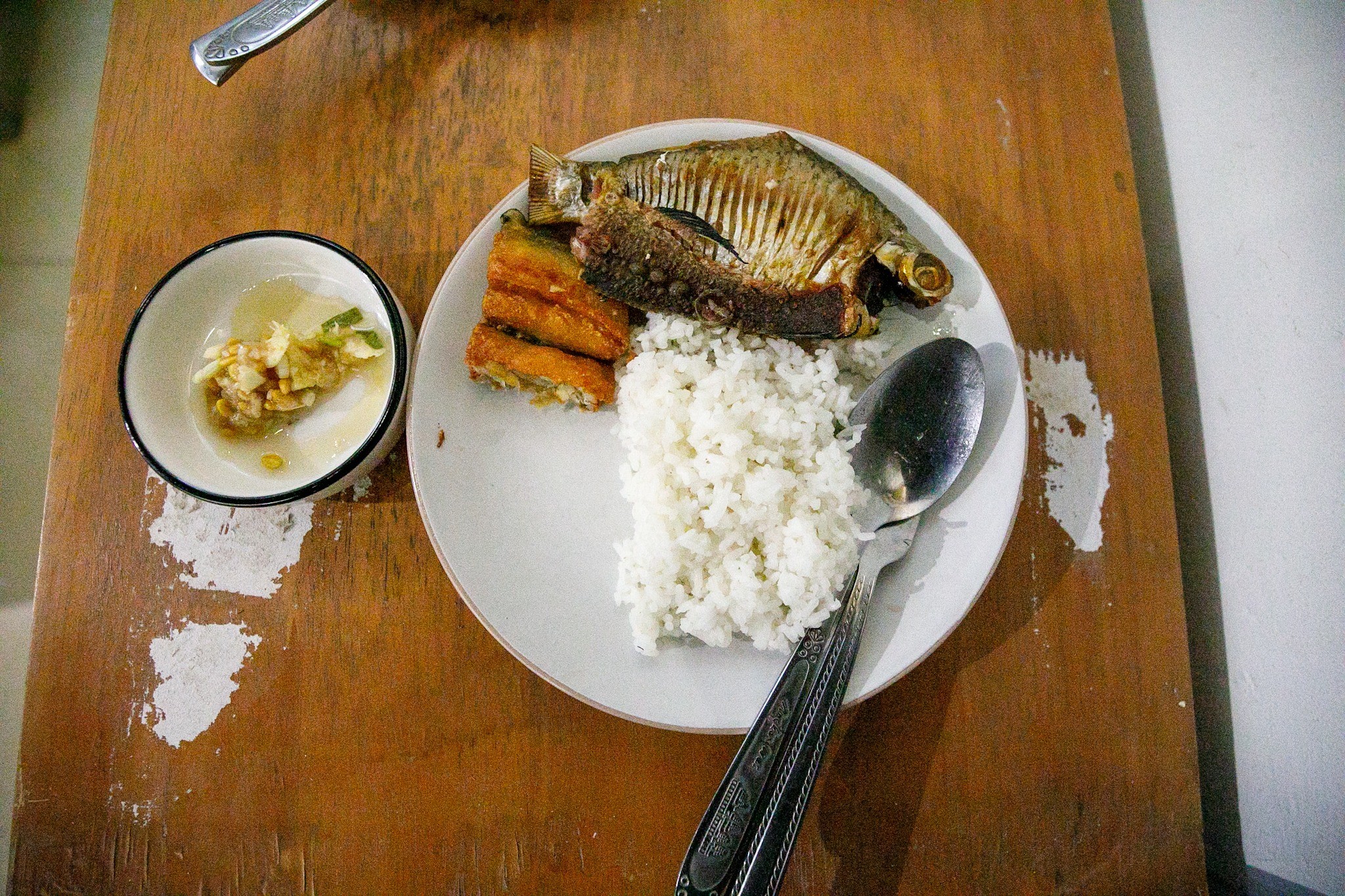
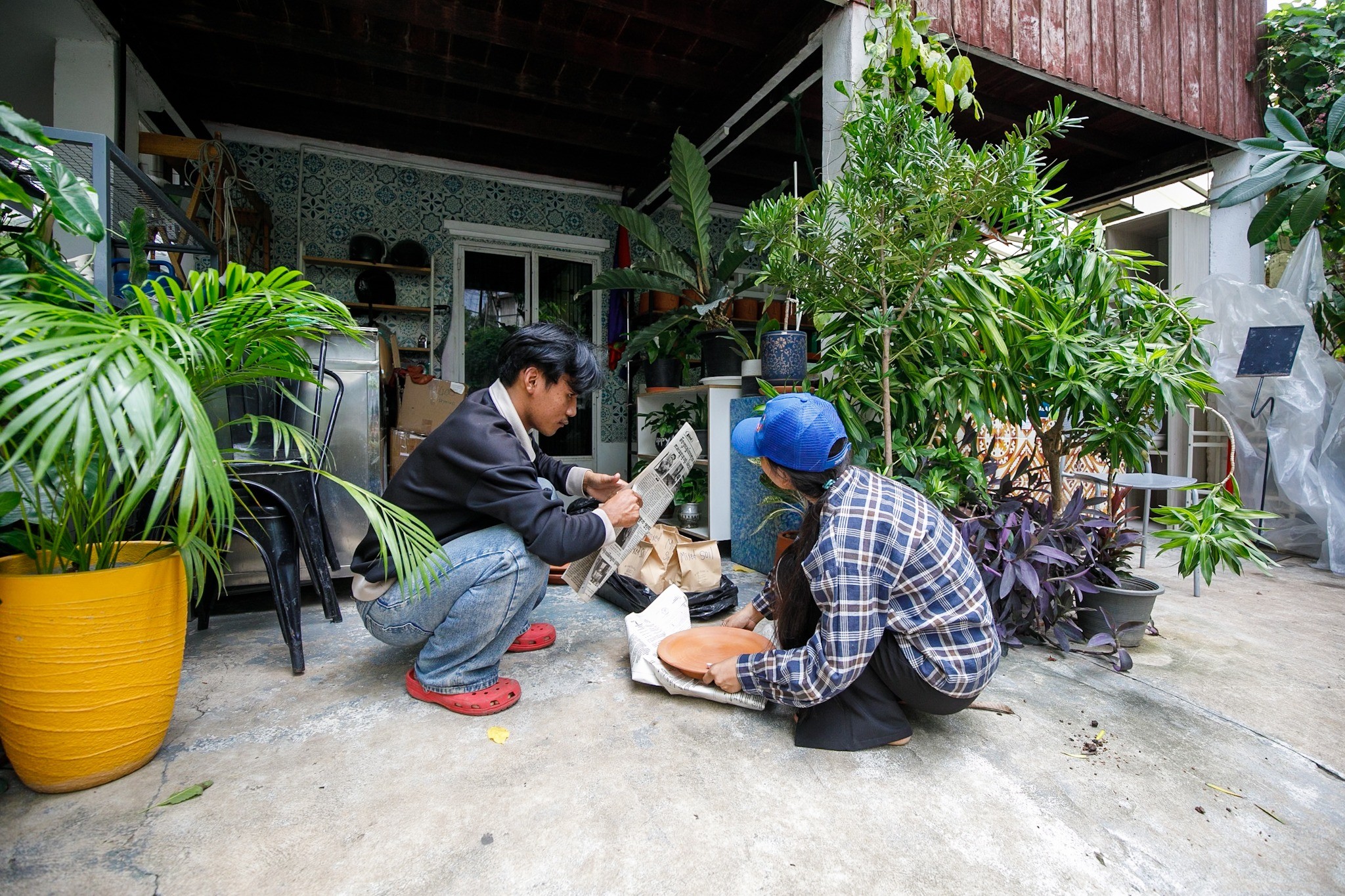
Thea, Sopheak’s colleague and co-founder of Roteh Tours, checking a plant in the courtyard.Lunch prepared by Thea during the visit.
05 / The work underneath
Take
People see the festivals and gatherings. What does the everyday work behind them look like?
Sopheak
I would not be able to do so many things without my team. There are nine of us, including me. I am developing procedures for the work, from plant retail to landscape maintenance, so everyone can learn and we can maintain the quality we want.
Usually I wake up around six, make coffee and talk with my dad. I check the plants, water them and move them from place to place. I am still learning from them. I learn where they grow best and which location helps them thrive. Then I start the workday. I keep my calendar and to-do list on my phone, because otherwise I will lose track of things.
During the day, I check what the team is working on and support our clients. In the afternoon, I often meet people about new projects, collaborators and sponsors. I want to delegate and empower the team, but that means making time to teach, check the work and support them. The quieter work, like writing proposals and thinking through marketing, often happens at night.
The longer I operate the business, the better I understand what works. Plant retail is very competitive. As a small team, we are putting more emphasis on services such as garden design, installation and maintenance. We are selling our knowledge. Landscaping and maintenance are our main income-generating activities, with retail and cultural activities supporting the work.
With cultural events, we also work with clients and venue partners who value what we do and can contribute resources. People with fewer resources can still attend or support the vendors and artists. I am learning to bring together what can sustain the business and what allows me to pursue the things I care about.
Members of the team at work, surrounded by artworks in the office.The team working together outside the office.
06 / Beyond one building
Take
Pteah Chas has moved on from its original location. What continues, and what are you looking for next?
Sopheak
Pteah Chas means a great deal to me. It opened the door back to my childhood dream of art. It connected me with artists, researchers and so many people I would not otherwise have known. Through it, I met people chasing their own dreams, and found new opportunities myself.
I have come to understand that the work does not always need a physical space. It is about collaboration, people, culture and creativity. We now work with venue collaborators. At the same time, I am still looking for a new home, because a physical place would allow us to contribute in other ways and host more activities.
Our current place has limitations. We focus more on private events. It cannot function as the public space we had before. I would like to find another heritage building that could become a house for creative and cultural work. It could be somewhere for people to work together, hold events, show art and share products. We want to think carefully about the right location and partner.
A community space can become a second home. People can be themselves, make friends and spend time together. It has also helped me believe in my own potential. When people have an opportunity, and someone to guide or mentor them, they can begin to see what they are capable of. As I have continued along this path, the direction has become clearer.
The courtyard, seen from above.
07 / The next possibilities
Take
How do you see Phnom Penh now, and the opportunities you want to create here?
Sopheak
Phnom Penh is my homeland. I was born here, and I see a city full of potential. I have been able to witness it change. There was a time when so much attention went to money and buildings. Now, I feel it is becoming a better listener to its residents. People express their opinions and ask for things they believe are right. I think it listens better than before.
I see Phnom Penh as a starting point, a hub that can connect with talent in other places. When we understand what different places and people can offer, we can bring them together. We can work from different locations for a shared interest in art, culture and people.
The creative festival we are planning is part of that. We want to bring people and organisations together to discuss how to develop the creative industry and show the talent that is already here. There are people who have not had the spotlight yet. Some people receive many opportunities, while others deserve a chance too. We have to work together to create those opportunities, and think about how to sustain the work as a business.
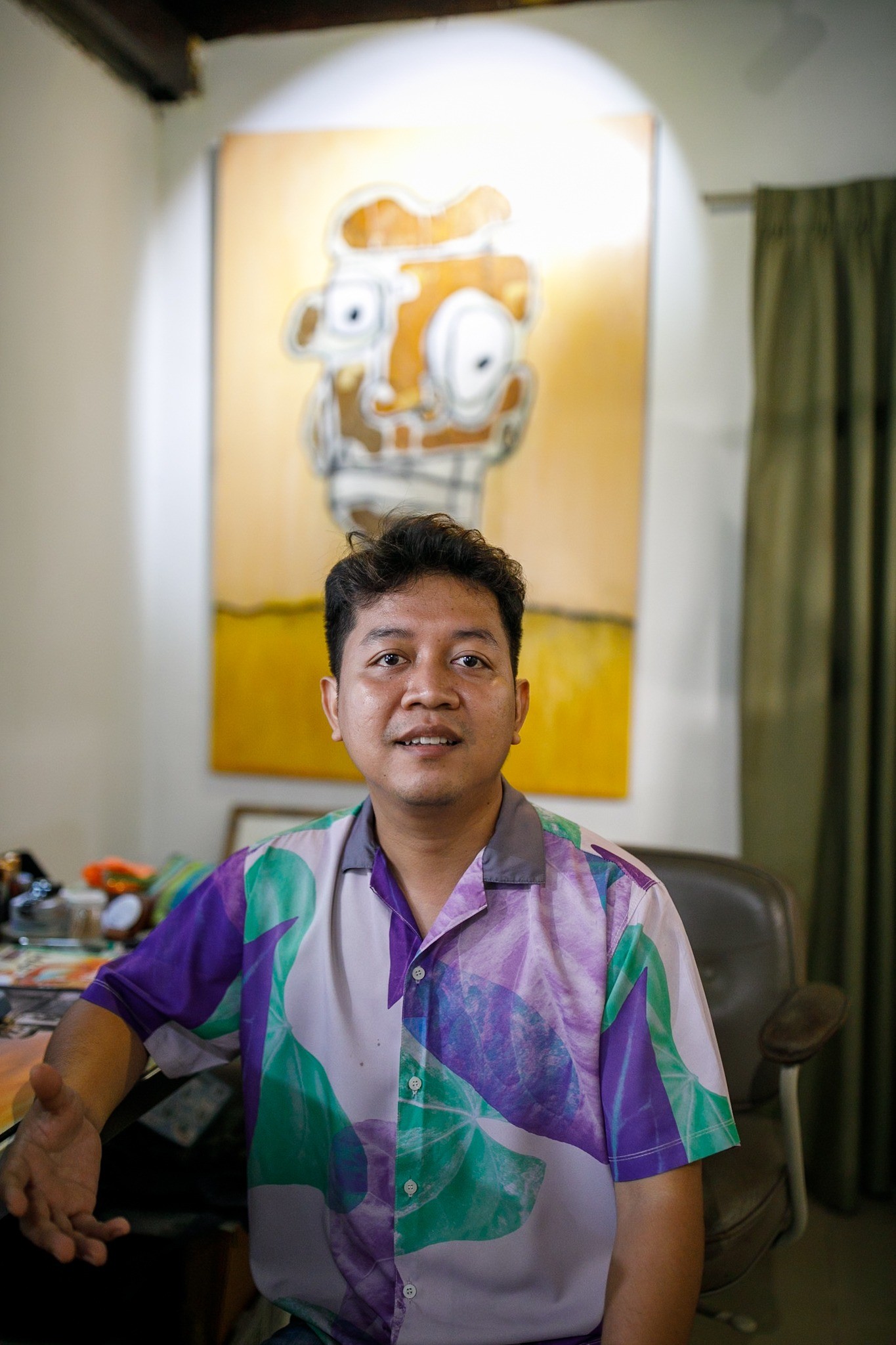
Sopheak in his office, photographed after our conversation.
After the conversation / Take
I recognise something in Sopheak’s description of a city learning to listen. After nearly a decade in Phnom Penh, I have watched people create more ways to express themselves and find one another. His optimism comes with the experience of doing the work. He asked for help, invited others into a building, and tried an event that people had told him would not work.
Earlier in our conversation, he told me that for years he had preferred people to understand the value of his work before they knew his personal story. Hearing that story made the connections clearer. The garden his father tended, the first botanical garden he visited, the mentor who checked on him, and the communities who taught him all remain present in what he is building.
The next building is still being sought. The next festival is still being shaped. Around him, the team continues its work and the plants need tending. That is where this conversation leaves Sopheak, with possibilities to explore, and people to explore them with.
In conversation
Hem Chansopheak
Hem Chansopheak works across plants and landscape design, cultural events through Pteah Chas and Phnom Penh Houseplant Festival, and Roteh Tours, co-founded with Thea. Based in Phnom Penh, his work brings people into contact with art, nature and one another.